Carver Water Technology Commissions Advanced MBBR Wastewater System in Runaway Bay, Jamaica
Carver Water Technology is bringing cutting-edge wastewater treatment to Jamaica's North Coast through a strategic partnership with Isratech Jamaica. This 300 m³/day MBBR (Moving Bed Biofilm Reactor) system represents a significant infrastructure investment for the Runaway Bay coastal development, combining residential and hospitality applications in one of Jamaica's premier tourism destinations.
Project Overview: Engineering Excellence for Caribbean Conditions
The Runaway Bay wastewater treatment facility serves a mixed-use development incorporating both residential units and hotel operations along Jamaica's coastline. With all major equipment already shipped and installed on-site, the project is progressing toward its January 2026 completion date.
Key Project Specifications:
Capacity: 300 m³/day (79,250 gallons/day)
Technology: MBBR with biological nutrient removal
Operating Range: 20-35°C (optimized for tropical climate)
Application: Mixed residential/hospitality wastewater
Location: Runaway Bay, Jamaica (coastal zone)
Installation Partner: Isratech Jamaica
The system design specifically addresses the unique challenges of coastal Caribbean wastewater treatment: high ambient temperatures, variable tourist-season loading, stringent discharge requirements for marine protection, and the need for reliable operation with minimal operator intervention.
Facing similar wastewater challenges in your Caribbean development? Schedule a technical consultation with our Caribbean operations team to discuss optimized solutions for your project.
Why MBBR Technology for Caribbean Coastal Developments
MBBR technology offers several advantages for Caribbean applications, particularly in mixed residential-hospitality developments like Runaway Bay:
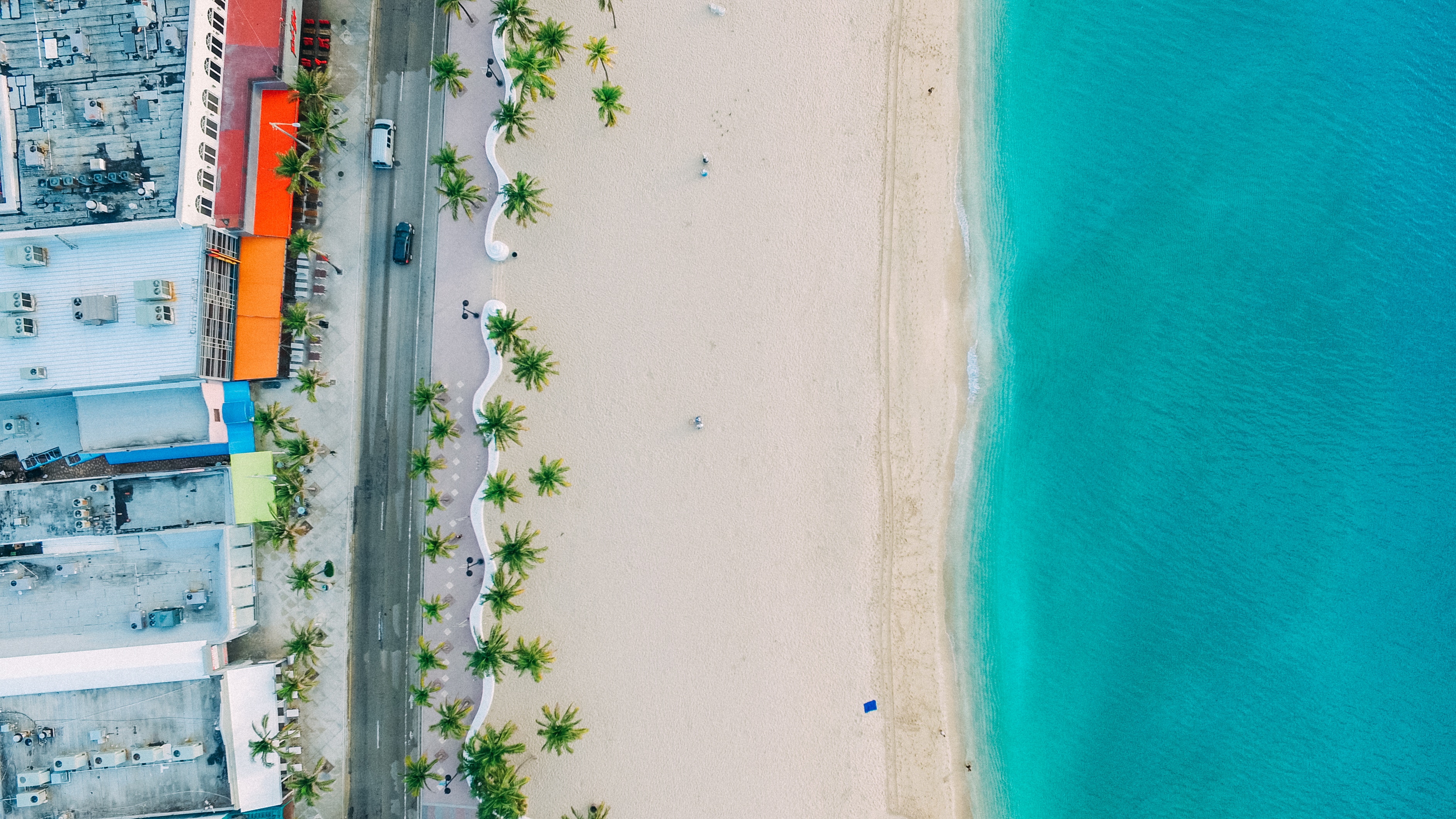
Compact Footprint: The Runaway Bay system achieves 300 m³/day capacity within a 12.5m x 11.3m footprint, critical for high-value coastal real estate where land costs make traditional lagoon systems economically prohibitive.
Temperature Resilience: Caribbean ambient temperatures of 20-35°C fall within the optimal range for biological treatment. The MBBR's high surface area media (600 m²/m³) maintains consistent treatment performance even during peak temperature periods when conventional activated sludge systems can struggle.
Variable Loading Tolerance: Hotel occupancy fluctuates dramatically between high season (December-April) and off-season periods. MBBR biofilm naturally adjusts to loading variations without the washout risks associated with suspended growth systems.
Rapid Commissioning: The system's 20-week delivery schedule and straightforward installation process minimize construction timeline impacts, essential for developments trying to meet tourism season opening dates.
Managing wastewater for a resort or coastal development? Request a free capacity assessment to determine the optimal system configuration for your specific loading patterns.
Technical Process Flow: How the Runaway Bay System Works
The Runaway Bay MBBR system employs a sophisticated multi-stage treatment process designed specifically for the dual challenges of nutrient removal and tropical operation:
Stage 1: Primary Treatment and Flow Equalization
Raw wastewater from the development enters a 100 m³ equalization tank fitted with a submersible sewage pump (55 GPM @ 25 psi) and dedicated mixer. This critical first stage accomplishes three objectives: dampens flow variations from hotel check-in/check-out cycles, homogenizes waste strength, and provides emergency storage during maintenance events.
Stage 2: Biological Nitrogen Removal
The system's heart consists of two distinct MBBR zones working in sequence. The 55 m³ anoxic chamber operates without aeration, where recirculated wastewater containing nitrates meets fresh influent. Denitrifying bacteria colonizing the plastic media convert nitrates to nitrogen gas—essential for preventing algal blooms in the adjacent marine environment. The anoxic mixer (2HP, 6ft shaft) maintains media suspension without introducing oxygen that would disrupt denitrification.
From the anoxic zone, wastewater flows to dual aeration basins operating in series. Each basin contains MBBR media with 600 m²/m³ specific surface area, providing colonization sites for nitrifying bacteria. Two 50% capacity blowers (400 scfm each) supply oxygen through 60 eductor nozzles, converting ammonia to nitrates while oxidizing organic matter. A 200 GPM recirculation pump completes the nitrogen removal cycle by returning nitrate-rich water to the anoxic zone.
Concerned about nitrogen discharge limits near sensitive coastal waters? Discuss your specific discharge requirements with our process engineers to ensure regulatory compliance.
Stage 3: Chemical Phosphorus Removal and Clarification
After biological treatment, wastewater enters the flocculation tank where alum injection precipitates phosphorus. The two-pump alum dosing system (with HDPE day tank) provides redundancy essential for remote operations. A dedicated 2HP mixer ensures complete alum distribution before gravity flow to the lamella clarifier.
The lamella clarifier's inclined plates provide 55 GPM settling capacity in a compact vertical configuration, far more space-efficient than conventional horizontal clarifiers. Settled sludge gravity-drains to the sludge aeration basin for stabilization, while clarified water flows to multi-media filtration.
Stage 4: Advanced Filtration and Disinfection

The 55 GPM multi-media filters (FRP construction for corrosion resistance in coastal environments) remove residual suspended solids to produce consistently clear effluent. Automatic backwash cycles (controlled by the PLC system) prevent filter binding using a dedicated 120 GPM backwash pump.
Final disinfection uses a two-pump hypochlorite dosing system with PVC piping. The contact time before the final effluent basin ensures complete pathogen inactivation, meeting Jamaican discharge standards for hospitality facilities.
Stage 5: Sludge Management
Waste activated sludge from the clarifier collects in a dedicated aeration basin where intermittent aeration maintains aerobic conditions, preventing odors while reducing sludge volume through endogenous respiration. The stabilized sludge is periodically removed for off-site disposal.
Automated Control and Caribbean-Specific Design Features
The Runaway Bay system incorporates extensive automation to minimize operator intervention—a critical consideration given the limited availability of certified operators across the Caribbean:
PLC Control with HMI: A comprehensive programmable logic controller manages all process equipment based on real-time sensor data. The HMI (Human-Machine Interface) panel in the electrical room provides intuitive system monitoring and manual override capabilities. Operators can adjust blower output via VFD (Variable Frequency Drive) control to maintain optimal dissolved oxygen levels (2-4 mg/L in aeration basins) without constant manual intervention.
Automated Chemical Dosing: Both alum and hypochlorite systems use duty/standby pump
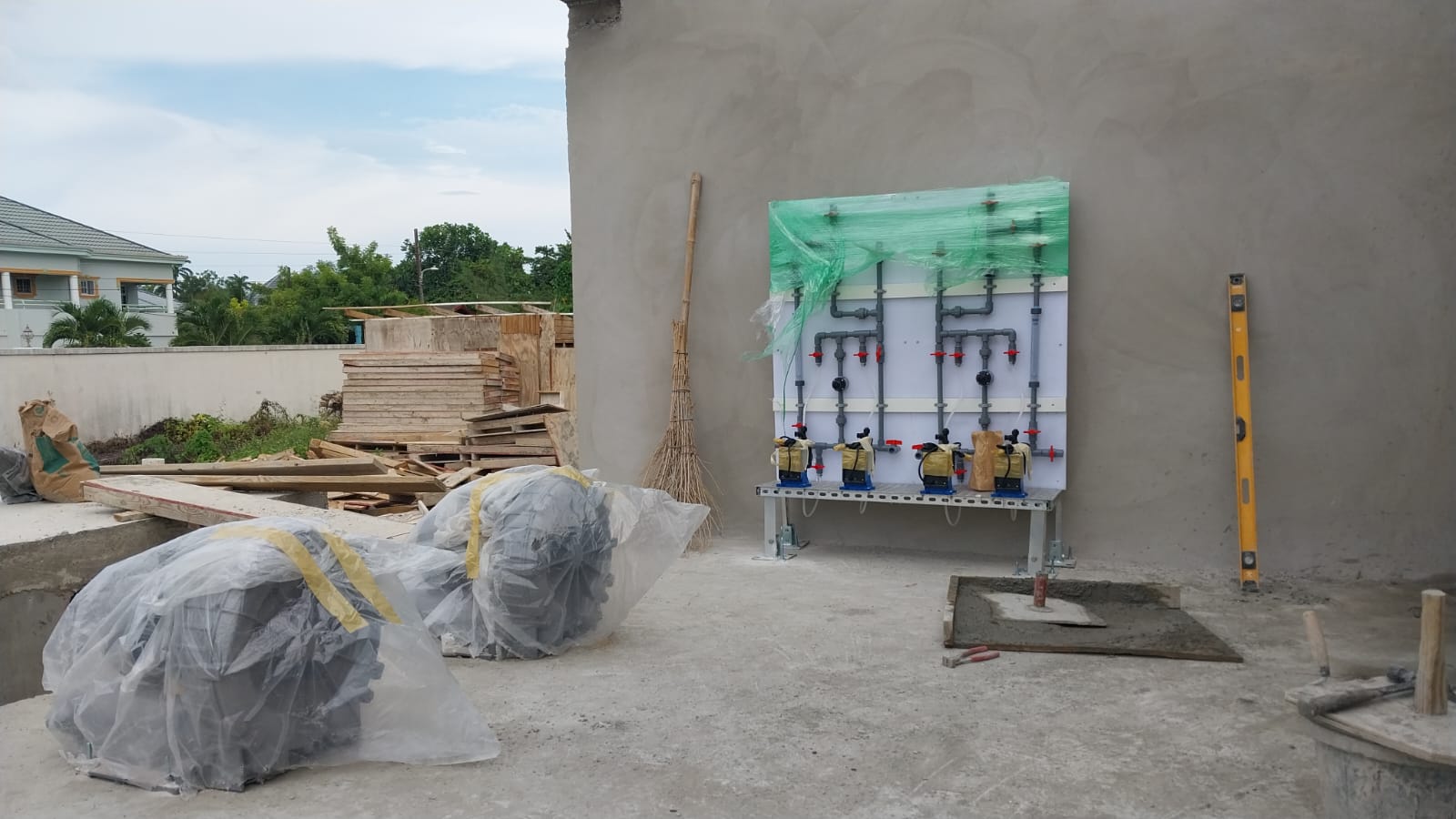
configurations with automatic switchover. The PLC monitors chemical tank levels and activates low-level alarms, preventing treatment interruptions from depleted chemical stocks.
Level-Based Process Control: Float switches and level sensors throughout the system trigger pumps and mixers based on actual water levels rather than fixed timers. This approach automatically compensates for the variable flows inherent in resort operations—high loading during breakfast and evening hours, minimal flow overnight.
Tropical Climate Adaptations: All electrical components specified for the system account for Jamaica's humidity and salt air exposure. Motor starters and control panels feature NEMA 4X enclosures with corrosion-resistant construction. The blower building provides weather protection for sensitive equipment while maintaining ventilation to prevent heat buildup.
Planning a water infrastructure project in the Caribbean? Connect with our engineering team to discuss design considerations specific to tropical coastal environments.
The Future of Caribbean Wastewater Treatment: Tomorrow Water Proteus
While the Runaway Bay MBBR system represents proven, reliable technology for this application, Carver Water Technology is actively preparing to introduce Tomorrow Water's revolutionary Proteus system to the Caribbean market. The Proteus platform would be transformational for developments like Runaway Bay, and represents the future direction for CWT's Caribbean operations.
Why Proteus is the Ideal Caribbean Solution:
The Proteus system's biofilm aerobic fermentation (BAF) technology offers compelling advantages over conventional MBBR for Caribbean coastal applications:
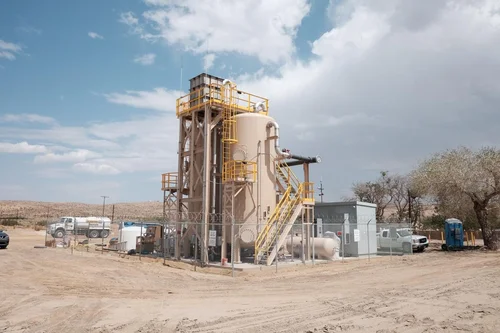
Dramatically Reduced Footprint: Proteus achieves the same 300 m³/day capacity in approximately 60% less space than the current MBBR configuration. For beachfront developments where every square meter carries premium value, this space efficiency translates directly to project economics. A developer could potentially add additional hotel rooms or residential units using the land saved.
Lower Energy Consumption: Proteus operates with approximately 40% less energy than conventional MBBR systems. Given the Caribbean's high electricity costs (often 2-3x mainland U.S. rates), this reduction represents substantial ongoing operational savings. A 300 m³/day Proteus system would typically consume 15-20 kWh compared to 30-35 kWh for equivalent MBBR capacity.
Superior Nutrient Removal: Proteus achieves consistently lower effluent nitrogen and phosphorus concentrations than MBBR—critical for Caribbean coastal zones where coral reef protection drives increasingly stringent discharge limits. The system can reliably achieve <5 mg/L total nitrogen and <0.5 mg/L total phosphorus without the chemical dosing required by MBBR systems.
Simplified Operation: Proteus requires less frequent operator attention than MBBR systems, with longer intervals between backwash cycles and reduced chemical management requirements. For Caribbean developments where finding and retaining qualified operators presents challenges, this operational simplicity proves invaluable.
Resilience to Power Interruptions: The Caribbean faces more frequent power interruptions than mainland North America. Proteus recovers more quickly from power outages than MBBR systems, maintaining treatment effectiveness through brief disruptions that would compromise suspended growth processes.
CWT's Caribbean Growth Strategy: Building Regional Infrastructure Expertise
The Runaway Bay project represents a strategic entry point for Carver Water Technology's Caribbean expansion. Through our partnership with Isratech Jamaica, we're establishing the local relationships, regulatory knowledge, and technical capabilities required to serve the region's growing water infrastructure needs.
Target Markets and Applications:
Resort and Hospitality Developments: The Caribbean continues to see significant investment in tourism infrastructure. New resort developments, hotel expansions, and villa communities all require sophisticated wastewater treatment that meets both local regulations and international brand standards. CWT's compact, reliable systems are specifically engineered for these applications.
Residential Subdivisions: Rapid population growth across Caribbean nations is driving residential development, often in areas beyond municipal sewer service. Decentralized wastewater treatment systems sized from 50-500 m³/day serve these communities while protecting groundwater and coastal resources.
Municipal Utilities: Many Caribbean municipalities operate aging wastewater infrastructure in need of upgrade or replacement. CWT's modular approach allows phased system improvements that match available capital budgets while delivering immediate performance improvements.
Industrial Applications: Food processing, beverage production, and manufacturing facilities across the Caribbean require specialized wastewater treatment before discharge. Our experience with high-strength industrial wastewater positions us to serve these niche applications.
Are you developing water infrastructure projects in the Caribbean? Let's discuss how CWT can support your timeline and budget requirements with proven technology and regional expertise.
Technical Service and Support: CWT's Caribbean Commitment
Equipment installation represents only the beginning of a successful wastewater treatment project. CWT provides comprehensive commissioning and ongoing support to ensure long-term system performance:
On-Site Commissioning (5-Day Program): Our field service engineers will be on-site in Runaway Bay for system startup and commissioning. This hands-on process includes verifying all equipment installation per design specifications, programming and testing the PLC control system, initiating biological processes with proper seeding and acclimation, training facility staff on routine operations and maintenance procedures, and establishing baseline performance parameters.
Operator Training: Effective system operation requires properly trained personnel. CWT's training program covers daily operational checks and adjustments, routine maintenance schedules and procedures, troubleshooting common issues, chemical handling and safety protocols, and regulatory compliance and record-keeping requirements.
Remote Technical Support: Caribbean operators can contact CWT's technical support team for process troubleshooting, chemical dosing optimization, and performance analysis. Many issues can be resolved remotely through our support system, minimizing costly service visits.
Preventive Maintenance Programs: CWT offers structured maintenance contracts covering quarterly inspections, annual equipment overhauls, spare parts management, and emergency response services. These programs ensure maximum system uptime while extending equipment life.
Need immediate technical support for your existing water treatment system? Contact our 24/7 emergency response team for rapid troubleshooting and field service deployment.
Regulatory Compliance: Meeting Caribbean Environmental Standards
Jamaica's National Environment and Planning Agency (NEPA) enforces wastewater discharge standards designed to protect the island's sensitive coastal and marine ecosystems. The Runaway Bay system is engineered to meet or exceed these requirements:
Effluent Quality Targets:
BOD₅: <30 mg/L
TSS: <30 mg/L
Total Nitrogen: <15 mg/L
Total Phosphorus: <2 mg/L
Fecal Coliforms: <200 CFU/100mL
The multi-stage treatment process—biological nutrient removal, chemical phosphorus precipitation, multi-media filtration, and chlorine disinfection—provides multiple barriers ensuring consistent regulatory compliance even during peak loading conditions.
Monitoring and Reporting: The system includes sampling ports at key process points for compliance monitoring. CWT can assist with establishing sampling protocols and coordinating laboratory analysis through certified Caribbean testing facilities.
Project Timeline and Delivery
The Runaway Bay project follows CWT's proven Caribbean project delivery methodology:
Equipment Procurement (Complete): All major equipment has been sourced from North American and European manufacturers, meeting specifications for tropical operation. MBBR media was shipped from Port of Shanghai, while pumps, blowers, and control systems were delivered from Tampa to ensure timely availability of replacement parts.
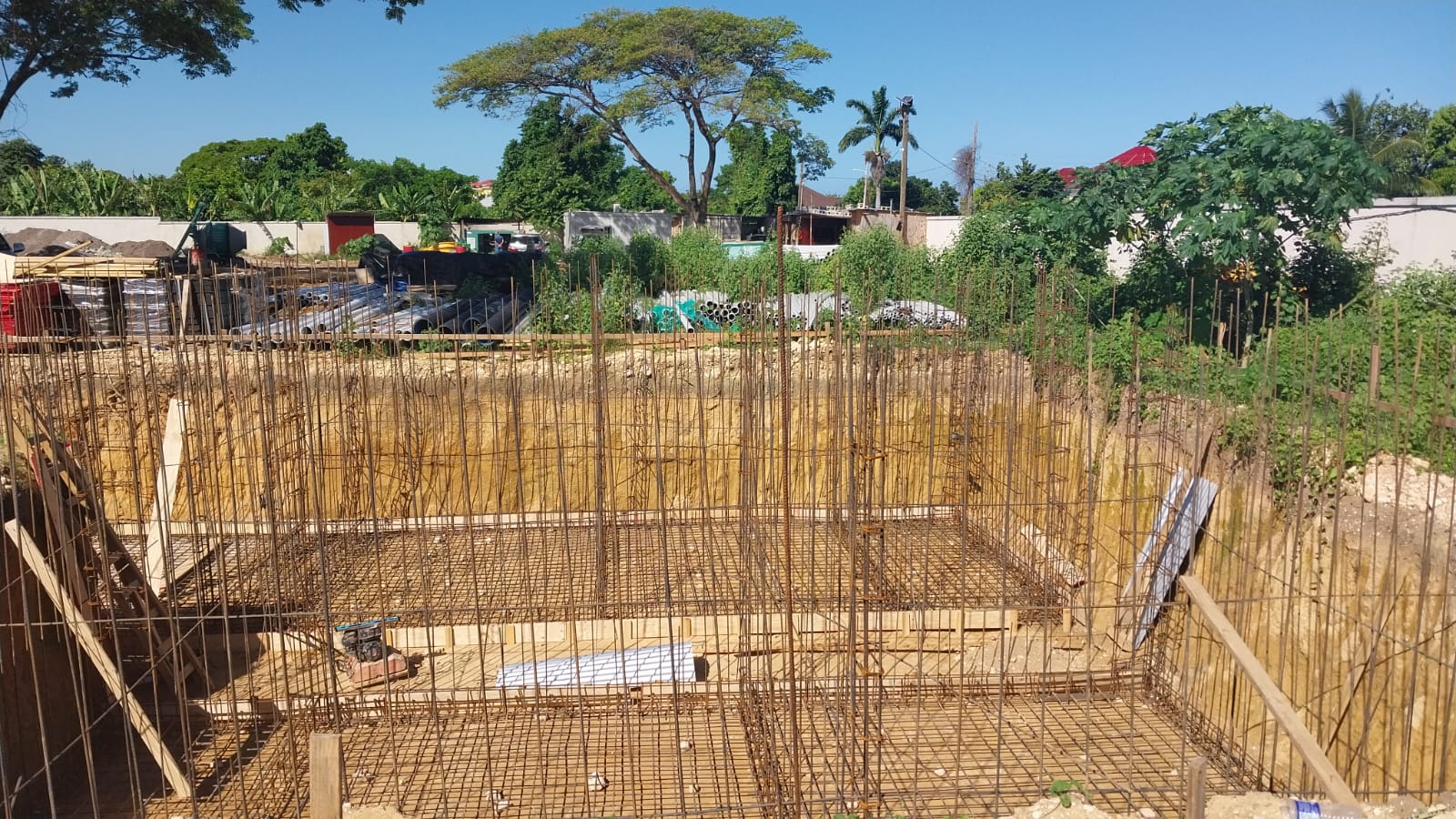
Installation (In Progress): Isratech Jamaica is managing civil construction and equipment installation, with CWT providing technical oversight to ensure installation per design drawings. All concrete tanks are complete, mechanical equipment is installed, and electrical work is progressing.
Commissioning (Scheduled January 2026): CWT field service engineers will conduct comprehensive system startup including biological seeding, process optimization, and operator training over a 5-day commissioning period.
Performance Verification: Following commissioning, the system will undergo a 30-day performance verification period with regular sampling to demonstrate consistent compliance with effluent quality standards.
Investment Considerations for Caribbean Wastewater Projects
Developers evaluating wastewater treatment options for Caribbean projects should consider total lifecycle costs beyond initial capital investment:
Capital Costs: A 300 m³/day MBBR system like Runaway Bay typically represents an investment of $800K-$1.2M USD including equipment, installation, commissioning, and contingency. Proteus systems offer similar capacity at comparable capital costs but with significantly lower operating expenses.
Operating Costs: Key ongoing expenses include electrical power (largest single cost), chemical consumption (alum, hypochlorite), operator labor, routine maintenance, and sludge disposal. A well-designed system should operate for $0.40-$0.60 per m³ treated in the Caribbean context.
Regulatory Risk: Undersized or poorly designed systems create ongoing regulatory compliance risks including fines, mandated upgrades, and potential development restrictions. Proper initial design and engineering avoids these costly outcomes.
Property Value Impact: High-quality wastewater infrastructure enhances property values and marketability, particularly for international buyers and hotel brands with strict environmental standards.
Evaluating wastewater treatment options for your development? Request a detailed cost-benefit analysis comparing different technology options for your specific application.
Why Partner with Carver Water Technology for Caribbean Projects
CWT brings unique advantages to Caribbean water infrastructure development:
Technical Expertise: Our engineering team has designed and commissioned water treatment systems globally, with specific experience in tropical and coastal applications where environmental conditions demand specialized approaches.
Proven Technology: We work exclusively with established equipment manufacturers and proven treatment processes. Caribbean projects can't afford experimental approaches—reliability is paramount.
Regional Partnerships: Through relationships with local firms like Isratech Jamaica, we combine international technical expertise with local knowledge of regulations, suppliers, and construction practices.
Comprehensive Project Delivery: CWT manages projects from initial design through commissioning and ongoing support. Developers work with a single point of accountability rather than coordinating multiple vendors.
Tomorrow Water Partnership: As Tomorrow Water's Caribbean implementation partner, CWT offers access to the most advanced wastewater treatment technology available—positioning your project for long-term operational success and environmental compliance.
Minority/Veteran-Owned Credentials: CWT's MBE and VOSB certifications can support project financing and meet diversity requirements for government-funded or internationally financed developments.
Environmental Stewardship: Protecting Caribbean Coastal Resources
Beyond regulatory compliance, properly designed wastewater treatment systems protect the Caribbean's most valuable natural assets:
Coral Reef Protection: Nutrient-rich wastewater discharge accelerates algal growth that smothers coral reefs. Advanced nutrient removal systems like Runaway Bay help preserve these irreplaceable ecosystems that drive tourism economies.
Groundwater Protection: Many Caribbean islands depend on groundwater for drinking water supply. Effective wastewater treatment prevents contamination of these vulnerable aquifers.
Beach Water Quality: Untreated or poorly treated wastewater degrades beach water quality, creating health risks and damaging tourism reputation. Proper treatment with reliable disinfection maintains the pristine beach conditions tourists expect.
Marine Ecosystem Health: Healthy coastal ecosystems support commercial and recreational fisheries while providing natural storm protection. Effective wastewater management is essential for maintaining these ecosystem services.
Next Steps: Bringing Advanced Wastewater Solutions to Your Caribbean Project
The Runaway Bay MBBR project demonstrates Carver Water Technology's capability to deliver sophisticated wastewater infrastructure for Caribbean coastal developments. As we progress toward the January 2026 commissioning date, we're simultaneously preparing to introduce Tomorrow Water's Proteus technology to the region—representing the next generation of compact, energy-efficient wastewater treatment.
Whether you're planning a new resort development, expanding existing hospitality infrastructure, or addressing municipal wastewater challenges, CWT can provide the technical expertise and proven solutions your project requires.
Ready to discuss your Caribbean water infrastructure needs? Schedule a technical consultation with our engineering team to explore options specific to your project requirements, timeline, and budget.
For developments requiring 100-1000 m³/day capacity, immediate inquiries will benefit from CWT's current equipment procurement cycle and field service scheduling for early 2026 Caribbean deployments.