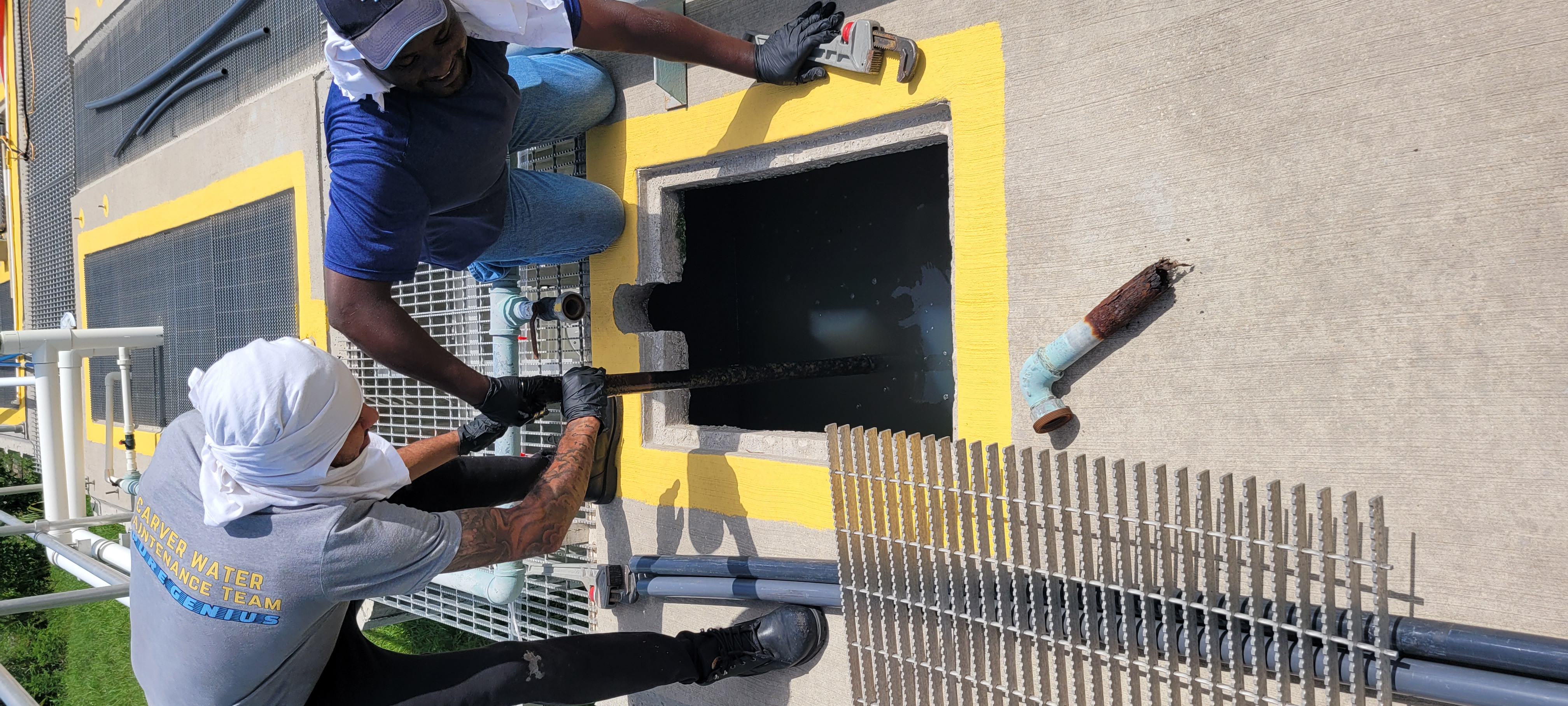
Preventative Maintenance for Water Systems: Reducing Downtime and Costly Failures
Preventative Maintenance for Water Systems: Reducing Downtime and Costly Failures
Introduction: Why Preventative Maintenance Matters
Preventative maintenance plays a critical role in ensuring the reliability, safety, and long-term performance of water systems. For municipal, industrial, and commercial facilities, unplanned water system failures can result in service disruptions, regulatory risk, and costly emergency repairs.
As part of comprehensive water system maintenance services, preventative maintenance focuses on identifying issues early—before they escalate into failures that impact operations, public health, or infrastructure integrity.
What Is Preventative Maintenance for Water Systems?
Preventative maintenance refers to scheduled inspections, servicing, and performance checks designed to keep water systems operating as intended. Unlike reactive maintenance, which addresses problems after failure occurs, preventative maintenance reduces risk by proactively managing system health.
Typical preventative maintenance activities include:
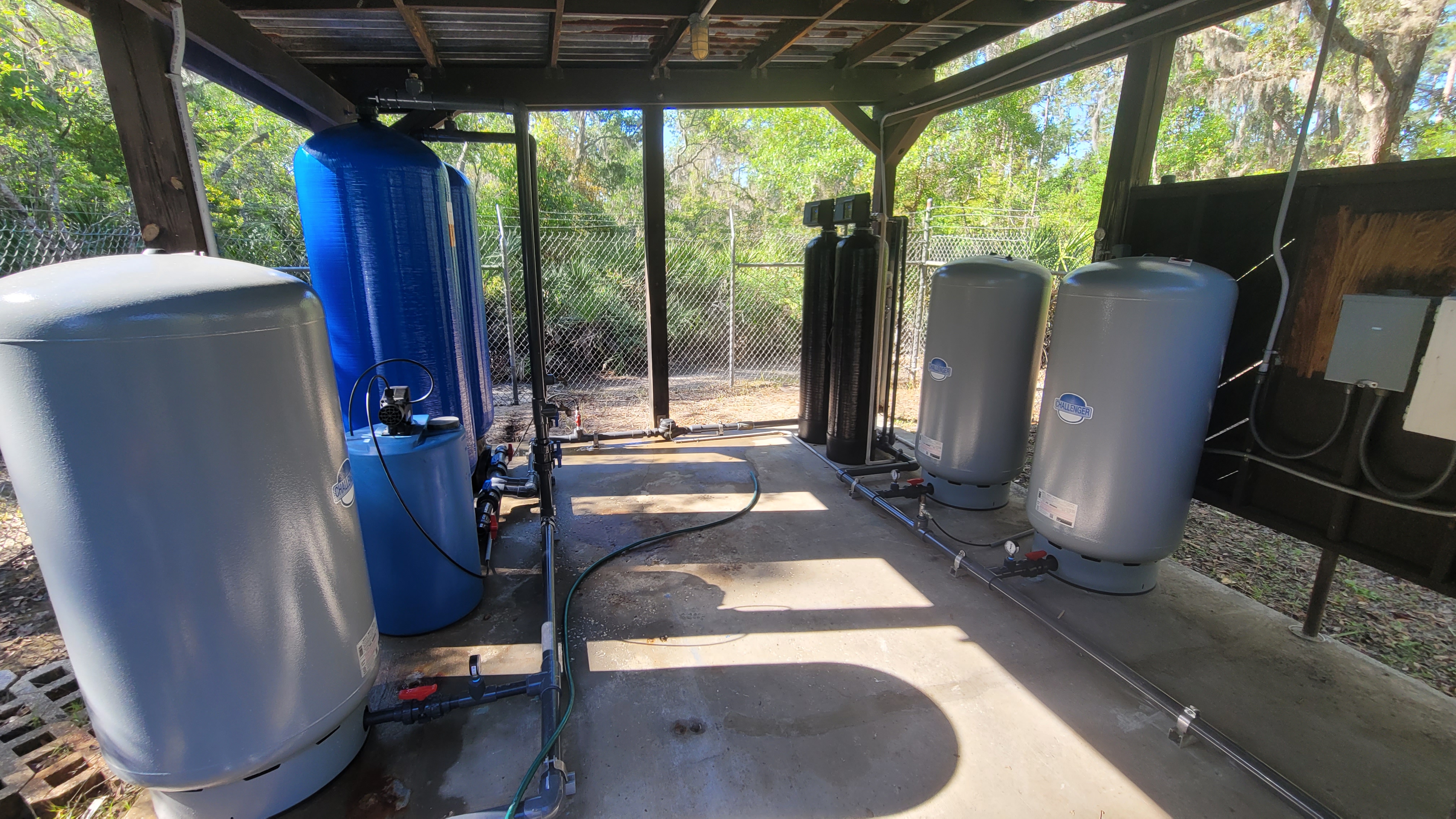
Inspecting pumps, tanks, and valves
Servicing filtration and disinfection equipment
Checking electrical controls and instrumentation
Verifying pressure, flow, and water quality performance
Identifying wear, corrosion, or mechanical degradation
This approach is a cornerstone of long-term infrastructure reliability and operational continuity.
Common Water System Failures Prevented Through Maintenance
Many water system failures develop gradually and go unnoticed until service is disrupted. Preventative maintenance helps reduce the likelihood of:
Pump motor burnout due to misalignment or overload
Pressure tank failures caused by bladder or structural degradation
Filtration system inefficiencies from media fouling
Electrical and control failures from moisture intrusion or corrosion
Disinfection system malfunctions affecting water quality
By addressing these risks early, facilities can avoid downtime, emergency mobilization, and unexpected capital expenses.
Preventative vs. Reactive Maintenance: Why Timing Matters
Reactive maintenance often results in:
Higher repair costs
Longer service outages
Emergency labor and material premiums
Increased risk to public health and safety
Preventative maintenance, by contrast, allows operators to:
Schedule service during planned downtime
Extend equipment lifespan
Maintain compliance and performance standards
Reduce the likelihood of emergency repairs
For facilities managing critical water infrastructure, preventative maintenance is often more cost-effective over the system’s life cycle.
Which Facilities Benefit Most from Preventative Maintenance?
Preventative maintenance is especially important for:
Municipal water systems and public facilities
Industrial processing and manufacturing plants
Healthcare and mission-critical facilities
Commercial developments and campuses
Parks, recreation areas, and public-use infrastructure
Facilities that operate continuously or serve the public face increased risk when water systems fail—making proactive maintenance a key planning strategy.
How Preventative Maintenance Fits into a Long-Term Maintenance Program
Preventative maintenance works best when integrated into a broader ongoing water system maintenance program. This approach may include:
Routine inspections and servicing
Emergency response planning
Performance monitoring and controls checks
Lifecycle planning and upgrade assessments
Conclusion: Planning Today to Prevent Tomorrow’s Failures
Preventative maintenance is not just about avoiding breakdowns—it is about protecting infrastructure, ensuring consistent water service, and managing risk over time. By identifying issues early and addressing them proactively, facilities can reduce downtime, improve performance, and maintain confidence in their water systems.
Preventative maintenance remains a foundational component of long-term water system reliability and operational success.
Frequently Asked Questions About Preventative Water System Maintenance
What is preventative maintenance for water systems?
Preventative maintenance involves scheduled inspections, servicing, and performance checks designed to keep water systems operating reliably and reduce the risk of unexpected failures.
How often should water systems receive preventative maintenance?
Maintenance frequency depends on system size, usage, and operating conditions, but many systems benefit from quarterly or semi-annual inspections.
What happens if preventative maintenance is skipped?
Skipping maintenance can allow minor issues to develop into major failures, leading to service disruptions, emergency repairs, and higher long-term costs.
Which water system components require routine maintenance?
Common components include pumps, pressure tanks, filtration systems, disinfection equipment, electrical controls, and monitoring instrumentation.
Is preventative maintenance more cost-effective than emergency repairs?
In most cases, preventative maintenance reduces overall costs by extending equipment life and minimizing unplanned downtime and emergency response expenses.