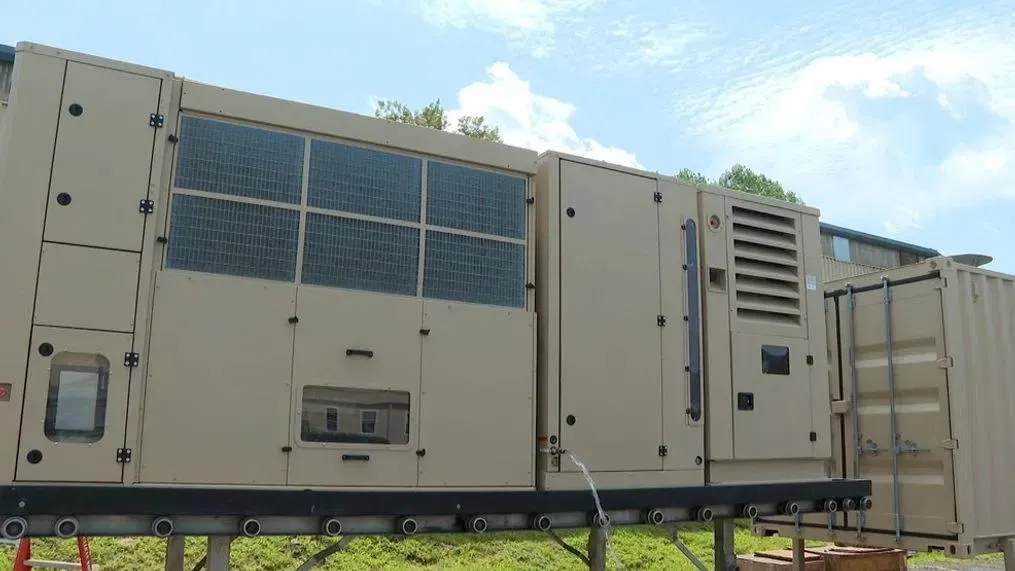
Produce 2,250 Gallons of Water Per Day – Anywhere
In today’s world, reliable access to clean water is more than a convenience—it’s a necessity. From municipalities and resorts to emergency response organizations, the demand for scalable, sustainable water solutions continues to grow. That’s where the AWG-5000 Atmospheric Water Generator comes in.
This cutting-edge system is designed to produce up to 2,250 gallons of fresh, clean drinking water per day—without the need for wells, pipelines, or traditional water infrastructure. Whether you’re facing drought conditions, responding to natural disasters, or powering large-scale hospitality operations, the AWG-5000 delivers dependable water production when and where you need it most.
What Makes the AWG-5000 Different?
Unlike conventional water supply systems that rely on groundwater or municipal treatment plants, the AWG-5000 uses atmospheric water generation technology. By drawing moisture directly from the air, the unit condenses, filters, and purifies it into potable water that meets strict health and safety standards.
✅ High Capacity: 2,250 gallons per day.
✅ Scalable: Can be deployed as a single unit or as part of a multi-unit array.
✅ Versatile Applications: Works in urban centers, remote communities, or off-grid locations.
✅ Eco-Friendly: Reduces strain on existing water systems and supports sustainable development.
Who Benefits from the AWG-5000?
🌍 Municipalities & Government Agencies
Cities and towns face growing challenges with aging water infrastructure, drought, and population growth. The AWG-5000 provides a flexible supplemental water source to help safeguard residents and reduce reliance on stressed municipal systems.
🚨 Disaster Relief & Humanitarian Aid
In emergencies, speed and reliability save lives. When hurricanes in the Caribbean, floods in North Carolina, or earthquakes in California disrupt water systems, the AWG-5000 humanitarian atmospheric water generation can be rapidly deployed to deliver thousands of gallons of safe drinking water—without waiting for bottled water shipments.
🏝️ Resorts, Hotels & Remote Operations
For resorts, eco-lodges, or island properties, water logistics can be costly and complex. The AWG-5000 offers an on-site, sustainable water solution that enhances guest satisfaction while reducing the environmental impact of trucking or shipping in water.
Why Atmospheric Water Generation is the Future
Water scarcity is projected to affect over 1.8 billion people worldwide by 2030. Traditional methods like drilling wells or expanding pipelines aren’t always sustainable—or even possible. The AWG-5000 represents a new era of decentralized, renewable water production that can be deployed anywhere clean water is needed.
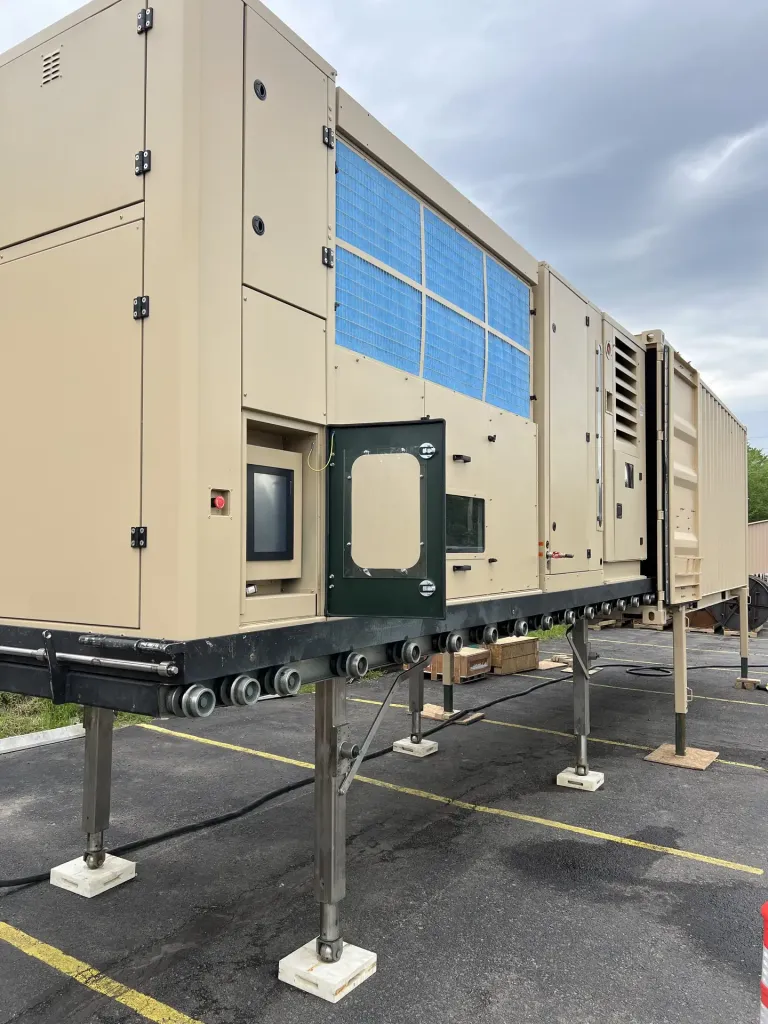
By producing water directly from the air, this system helps organizations:
Strengthen resilience against drought and climate change.
Reduce dependence on groundwater and overdrawn aquifers.
Provide safe, clean drinking water in real time where traditional methods fail.
Plan Your AWG Deployment Today
If your community, business, or organization is ready to secure a reliable, scalable, and sustainable water source, the AWG-5000 is the solution. With 2,250 gallons per day of on-demand production, it ensures water security for critical operations across industries.
📞 Book a call today to discuss your project and customize an AWG deployment strategy that fits your needs.
Frequently Asked Questions About Atmospheric Water Generation (AWG) Systems
What is an Atmospheric Water Generation (AWG) system?
An Atmospheric Water Generation (AWG) system is a technology that produces potable water by extracting moisture from ambient air. AWG systems condense humidity and treat the collected water through filtration and purification processes to produce safe drinking water.
How do AWG systems produce drinking water from air?
AWG systems draw in humid air and cool it to condense water vapor into liquid form. The collected water is then filtered, mineralized if necessary, and disinfected to meet potable water standards before storage or use.
Where are AWG systems most effective?
AWG systems perform best in environments with moderate to high humidity and warm temperatures. They are commonly used in coastal regions, disaster-prone areas, remote locations, and places where traditional water infrastructure is limited or unreliable.
Are AWG systems safe for drinking water production?
Yes. Properly designed AWG systems include multiple filtration and treatment stages to remove airborne contaminants, bacteria, and particulates. When maintained correctly, AWG-produced water meets drinking water quality standards.
What are the main applications for AWG systems?
AWG systems are widely used for emergency water supply, disaster relief, humanitarian missions, military operations, remote communities, commercial facilities, and decentralized water infrastructure projects.
Can AWG systems be used during emergencies or natural disasters?
Yes. AWG systems are well suited for emergency and disaster response because they do not rely on pipelines, wells, or surface water sources. They can be rapidly deployed to provide potable water following hurricanes, floods, wildfires, or infrastructure failures.
How much water can an AWG system produce?
Water production capacity varies depending on system size, ambient temperature, and humidity levels. AWG systems range from small units designed for individual or facility use to large-scale systems capable of supporting communities or emergency operations.
Do AWG systems require existing water infrastructure?
No. One of the key advantages of AWG systems is their independence from traditional water infrastructure. They operate without connection to municipal water lines, wells, or surface water sources, making them ideal for off-grid and decentralized applications.
How energy-efficient are modern AWG systems?
Advancements in AWG technology have improved energy efficiency through optimized condensation processes, improved heat exchange, and system automation. Energy requirements depend on climate conditions and system design.
Are AWG systems a sustainable water solution?
AWG systems can support sustainability goals by reducing dependence on overdrawn aquifers and surface water sources. When paired with renewable energy or efficient system design, AWG can contribute to resilient and decentralized water strategies.
Who typically deploys and installs AWG systems?
AWG systems are deployed by experienced water treatment and infrastructure professionals who handle site assessment, system sizing, installation, and ongoing support to ensure reliable operation and water quality.
How do AWG systems support humanitarian and underserved communities?
AWG systems provide reliable access to drinking water in areas affected by water scarcity, infrastructure damage, or displacement. They are frequently used in humanitarian missions and emergency relief efforts to supply safe water where traditional systems are unavailable.
Click here to learn more about these systems!