Industrial Cooling Water
Solutions
Cooling accounts for 30 to 50 percent of a data center's operating cost. Most of that cost lives downstream of a water treatment decision. Carver Water Technology designs, builds, and services the cooling makeup, ultrapure, and wastewater systems that keep hyperscale and colocation facilities running without unplanned downtime.
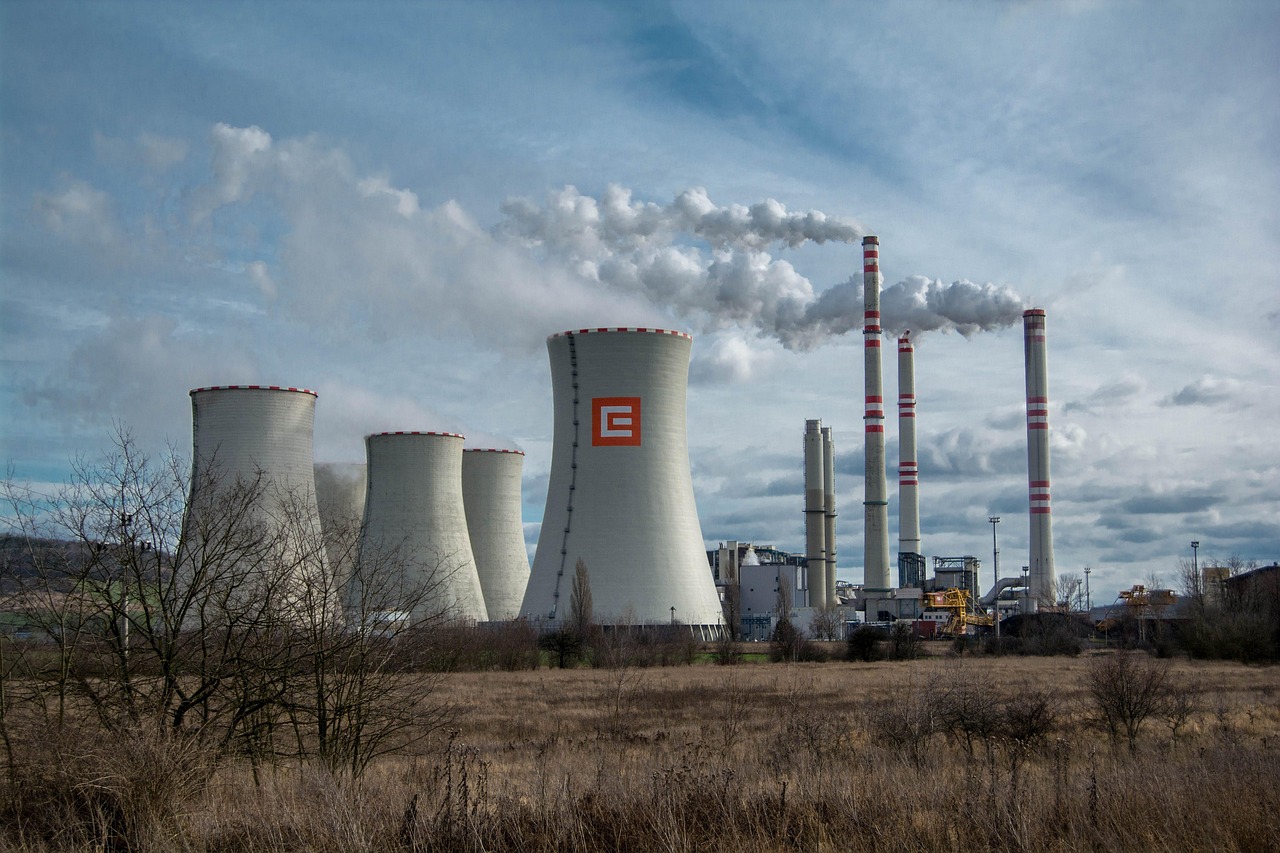
Cooling Tower Makeup Water Treatment
Most cooling tower systems run on carbon steel or copper. For these systems, softened water paired with a properly designed corrosion inhibitor program is the correct engineering solution, not reverse osmosis. RO permeate carries very low TDS and alkalinity, which makes it aggressive toward non-stainless components unless the entire chemical program is redesigned around it. CWT sizes softener and dosing skids to your actual makeup water chemistry and metallurgy rather than defaulting to whichever system a vendor already has in stock.
Emerging Model: Water Treatment Plants Hosting Data Centers
Tomorrow Water, CWT's authorized Southeast US and Caribbean technology partner, has an active initiative placing data centers directly at water resource recovery facility sites, using compact advanced treatment to free up footprint currently occupied by traditional clarifiers. Where this model lands a site, the data center side of that facility still needs cooling water treatment, which is CWT's scope.

Direct-to-Chip and Immersion Cooling: Ultrapure Water Requirements
High-density racks running direct-to-chip or immersion cooling operate closed loops with tight conductivity and particulate specifications. Scaling or biofouling at the microchannel level isn't a maintenance issue, it's a chip-level failure. CWT's Inagua platform, built for commercial and industrial RO/DI applications, uses the same carbon prefilter, brackish water RO, and mixed bed DI polishing architecture these loops require. It's a proven design repackaged for facilities engineering teams rather than a one-off engineered solution built from scratch.
Wastewater Discharge Compliance
Cooling tower blowdown carries concentrated dissolved solids and biocide residuals. Depending on your discharge point, that requires pretreatment before it hits the sewer or a permitted outfall under NPDES and local pretreatment rules. Florida DEP requires certified operators of record for public water systems and for any wastewater discharge to the environment, and blowdown discharged to a permitted outfall falls under that requirement. CWT handles both the pretreatment system design and the compliance documentation that keeps your facility inside its permit.
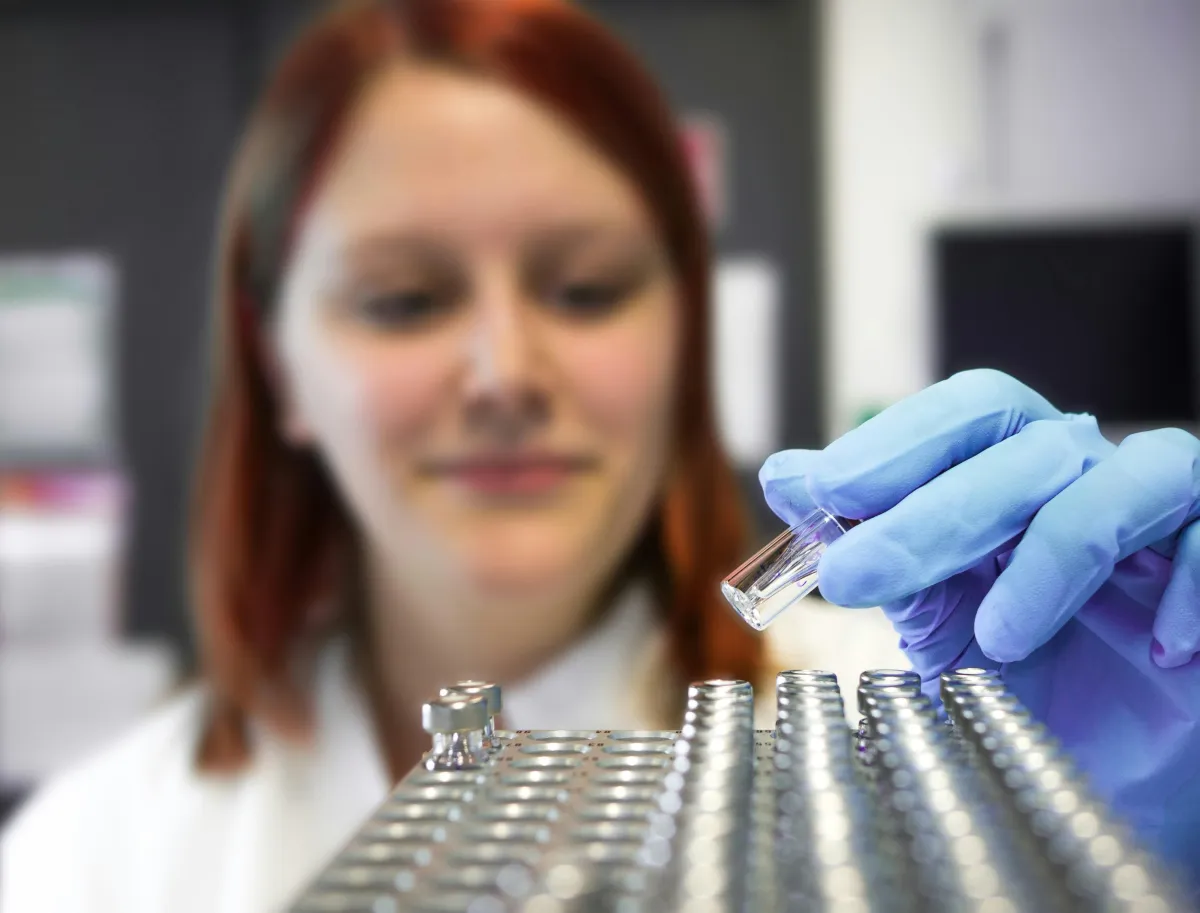
Why Water Chemistry Determines Cooling Performance
Evaporative cooling towers concentrate dissolved solids continuously. Without controlled dosing and cycles of concentration management, scale and biofilm foul heat exchangers and condenser loops, degrading PUE before an operator sees it on a dashboard. Legionella and biofilm control in tower systems isn't optional in Florida's climate. Heat and humidity accelerate biological growth in makeup water year-round, which means dosing programs designed for northern climates typically underperform here.
Remote Monitoring for Uptime-Critical Operations
Data center operators run their own infrastructure on redundancy and remote alarming. CWT's AquaLink monitoring integrates dosing and DI system data the same way, giving facilities engineering teams visibility into water treatment performance without waiting on a site visit to catch a problem.


Reclaimed Water as Cooling Makeup
Hyperscalers face growing scrutiny over freshwater draw, and reclaimed or WRRF effluent is increasingly specified as cooling tower makeup instead of potable supply. That water needs advanced polishing, membrane filtration or RO, to reach cooling tower grade before it enters a loop. If your facility sits near a water reclamation facility, CWT can design and operate the tertiary polishing step between reclaimed effluent and cooling tower specification.
Water Use Effectiveness as a Procurement Metric
WUE is increasingly scored alongside PUE in data center procurement and siting decisions. Recovery rate and recycle capability in your treatment system are no longer just an operations line item, they're a number that shows up in front of the people deciding whether your facility gets the next allocation of compute demand. CWT designs treatment systems around recovery rate as a stated performance target, not an afterthought.
Service Coverage
Get ahead of your next cooling loop water quality issue before it shows up as unplanned downtime.
Get a facility-specific breakdown of your silica and conductivity exposure.
Let's discuss water & wastewater solutions
Frequently Asked Questions
Why does silica matter more than other dissolved solids for boiler feedwater?
Silica is volatile at boiler operating pressure and temperature, so it travels with the steam instead of staying behind the way hardness does. As steam expands through the turbine and pressure drops, silica solubility drops with it and deposits directly onto the blades, reducing efficiency and introducing vibration risk.
Do RO and EDI alone provide enough protection for a high-pressure boiler?
RO and EDI typically achieve 95 to 99% rejection of dissolved ionic species, but neither is designed to hold the low-ppb-level silica and conductivity targets a high-pressure HRSG needs when source water chemistry shifts. Mixed bed DI polishing is the final stage that closes that margin.
What standards does CWT design feedwater treatment systems against?
CWT engineers polishing and treatment systems to ASME boiler and feedwater quality guidance and EPRI's Cycle Chemistry Guidelines for Combined Cycle/HRSGs, the reference frameworks power plant engineers use to set their own internal chemistry specs.
Why does cation conductivity matter more than standard conductivity readings?
Standard specific conductivity in HRSG feedwater is influenced by the amines and ammonia used for pH control, which can mask true ionic contamination. Cation conductivity, also called CACE, strips that interference out by passing the sample through a cation exchange column first, making it the diagnostic EPRI guidelines rely on to detect condenser in-leakage and contamination events.
Can CWT provide interim treatment capacity while a permanent system is engineered?
Yes. CWT carries a rental fleet for interim capacity, including mixed bed DI units, so a plant never has a coverage gap during a new installation, capacity expansion, or equipment replacement.
Does CWT design the full treatment facility or just supply equipment skids?
CWT provides full engineering scope, including FEED, process design, P&IDs, and equipment sizing, in addition to standard installation and maintenance of RO, DI, and NF systems.
What fuel types does CWT serve in the power generation sector?
CWT works with combined cycle natural gas plants, biomass facilities, municipal solid waste-to-energy plants, and cogeneration or industrial steam hosts across Florida and the Southeast.

Innovation
Fresh, creative solutions.

Integrity
Honesty and transparency.

Excellence
Top-notch services.

FOLLOW US


TECHNOLOGY & SERVICES
ABOUT US
CUSTOMER CARE
LEGAL
Copyright 2026. Carver Water . All Rights Reserved.